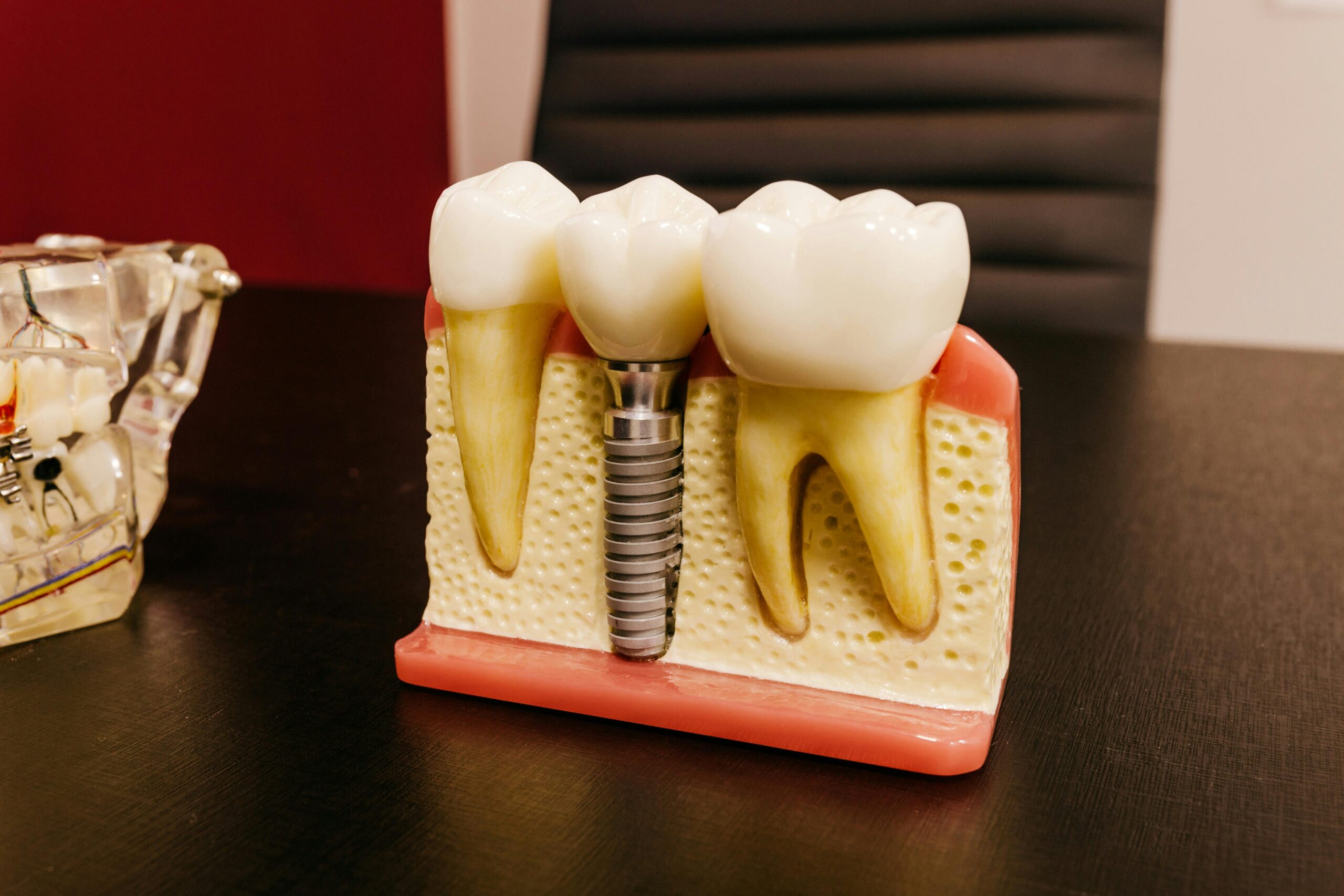
Many patients ask if dental implants are worth it, especially when dealing with loose teeth, food restrictions, or denture hassles.
If you want a clear answer for your mouth and your budget, start with an implant consultation that includes 3D imaging, itemized pricing, and a realistic timeline.
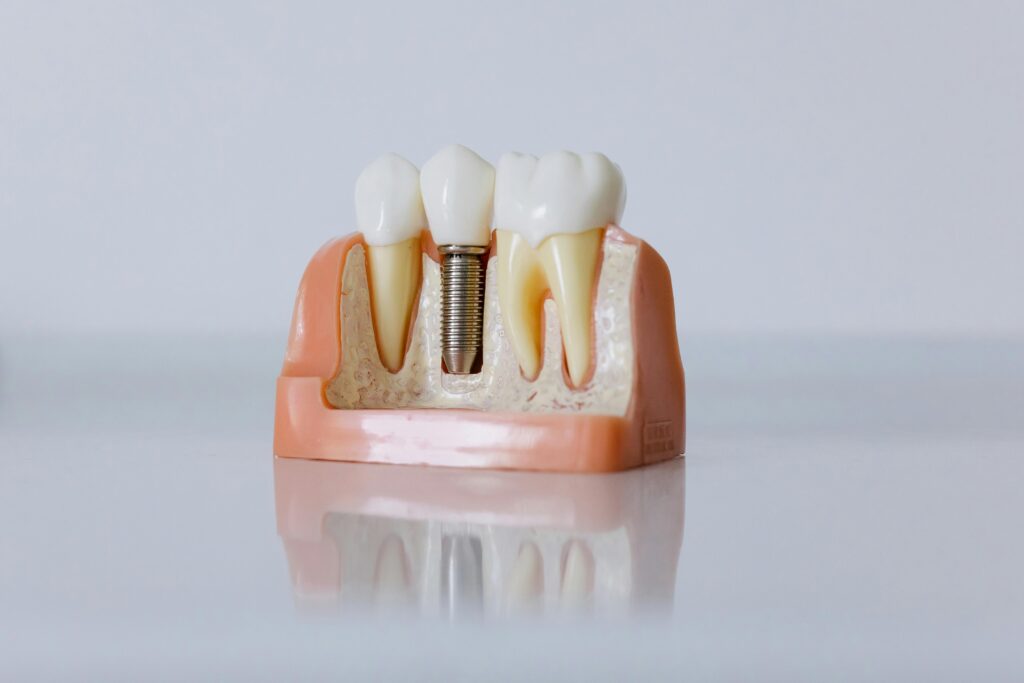
Know If Implants Are the Right Investment for You in Houston
Decide confidently with a personalized implant plan and transparent pricing ranges, based on your goals and your scan.
Expect a plan that fits Houston life: workdays, commuting, dining out, and wanting teeth that feel stable in real conversations.
To better understand your options, see this dental implants overview explaining how implants work and why many patients choose them.”
What “Worth It” Means for Most Patients
“Worth it” usually means better chewing function, clearer speech improvement, and fewer food restrictions without worrying about movement.
It also means a long-term investment in health: durability, jawbone health support, and fewer replacements than many dentures or a dental bridge over time.
Service Area Coverage in Houston
Common nearby areas we serve include The Heights, Midtown, Montrose, River Oaks, West University, Memorial, Bellaire, Sugar Land, Katy, and Cypress.
Ask for early morning and select extended appointment windows that fit Houston work schedules.
Problems Implants Solve That Dentures and Bridges Often Don’t
- Loose fit that slips, clicks, or lifts while eating or talking in full dentures or partial dentures
- Food limits that push you to chew on one side or avoid crunchy foods
- Confidence stress from gaps, speech changes, or worrying your teeth will move in photos
- Ongoing upkeep costs like relines, adhesives, repairs, or replacing a dental bridge later
When a Bridge or Denture May Still Make Sense
- Short-term budget limits or timing issues while you plan for implant financing
- Staged care needs when bone levels, gum disease, or healing capacity require extra steps first
Dentures vs Implants: Which One Is Better?
Many patients compare dentures vs implants when deciding what is truly “worth it.”
Dentures can be a faster and lower upfront cost solution. However, they often require denture adhesive, frequent denture relines, and occasional denture repairs over time.
Dental implants, on the other hand, are fixed in place and do not move. This improves bite alignment, comfort, and long-term stability.
For patients looking for fewer long-term adjustments and more natural function, implants are often the preferred option.
What We Offer: Implant Options Matched to Your Goals
You get an evaluation, CBCT scan, and a treatment plan that matches your health, timeline, and budget, with a written pre-treatment estimate—helping you decide if dental implants are worth it.
If you want one place to coordinate care, ask about a one-stop approach with specialists under one roof and IV sedation options for comfort.
- Single-tooth implant with an implant crown for a natural look and feel
- Implant-supported bridge for several missing teeth without relying on neighboring teeth like a traditional bridge
- Full-arch implants for many missing teeth or failing teeth that need a reset
- Implant-retained denture to stabilize dentures so they stop sliding
For an overview of options and what to expect at our office, see our page on implant tooth replacement options and planning.
Types of Dental Implants Commonly Used in Houston
- One missing tooth: a single implant, abutment, and implant crown
- Many missing teeth: full-mouth dental implants or full-arch implants with a fixed bridge
Advanced Implant Options: Faster and More Stable Results
Modern implant dentistry includes options like immediate load implants and same-day teeth, allowing some patients to leave with temporary teeth the same day as surgery.
For full-arch cases, options like All-on-4 or All-on-6 use fewer implants to support a full set of teeth while maintaining strong stability.
These approaches reduce downtime and help patients return to daily life faster.
Why Implants Are Often “Worth It”: Benefits You Feel Every Day
Implants are chosen for comfort and stability that feels closer to natural teeth than removable appliances.
They can also support jawbone health, which helps reduce bone loss that can change facial shape over time.
Checkmark Benefits Patients Care About Most
- ✓ Chew more normally like steak, tacos, and crunchy foods with better stability
- ✓ No adhesives needed for daily wear like many dentures
- ✓ Simpler routines since the replacement teeth are cared for with brush and floss style oral hygiene and maintenance
- ✓ Bone support that can help preserve facial shape by supporting the jaw
- ✓ Confidence boost for smiling, speaking, and close-up photos
- ✓ Long lifespan potential with good periodontal health and regular checkups
If snoring or poor sleep is part of your health picture, ask if airway screening matters for healing and comfort, or review our dental sleep and breathing support options before surgery planning.
What Dental Implants Cost in Houston and What Changes the Price
Implant cost in Houston often falls into two buckets: a single-tooth implant (implant, abutment, and crown) versus full-arch implants or full-mouth dental implants.
Your final number changes with extractions, bone grafting, sedation, and whether you need temporary teeth during healing time.
“All-in” pricing should clearly list what’s included:
- Exam and CBCT with 3D imaging
- Surgery to place the implant
- Abutment and implant crown or the final bridge
- Follow-ups and bite checks after placement
For many patients, the return on investment comes from fewer replacements than dentures or a dental bridge, plus better quality of life day-to-day.
Cost Factors to Review in Your Consultation
- Bone levels and whether bone grafting or a sinus lift is needed
- Materials and lab work for crown or bridge type
- Number of implants and how forces will be distributed for stability
- Temporary teeth needs while osseointegration happens
Insurance and Financing Clarity
Dental insurance may cover parts of care differently, such as extractions or crowns, while implants may be partially covered or excluded.
We can provide an itemized pre-treatment estimate and walk through implant financing options so you can decide without guessing.
When Additional Procedures Are Needed
Some patients may need preparatory treatments like a sinus lift or bone grafting to create a stable foundation for implants.
These steps improve long-term success and reduce the risk of implant failure.
Conditions like peri-implantitis (inflammation around implants) can also be prevented with proper planning and maintenance.
A Simple, Predictable Implant Process (No Surprises)
- Step 1: Exam + CBCT/3D imaging + a written treatment plan.
- Step 2: Place the implant using local anesthesia, with IV sedation available for comfort when appropriate.
- Step 3: Healing and osseointegration with progress checks and post-op care support.
- Step 4: Final crown or bridge delivery, then bite refinement for a natural feel.
What the Implant Procedure Looks Like Step by Step
The implant procedure step by step typically includes:
• Initial consultation with 3D imaging
• Implant placement using local anesthesia or sedation
• Healing period for osseointegration
• Final crown or bridge placement
How Long It Typically Takes
Some cases allow same-day temporary teeth, while staged cases can take several months based on healing time, which is an important factor when deciding if dental implants are worth it.
Healing depends on bone quality, medical history, smoking, and periodontal health.
Guided Implant Surgery and Comfort Options
We use guided implant surgery when appropriate to improve precision and placement accuracy.
For patients with anxiety or complex procedures, sedation dentistry (including IV sedation) helps make the experience more comfortable.
Most patients experience minimal downtime and return to normal routines quickly.
Why Houston Patients Choose Us for Implant Decisions
Patients often want one clear plan, one team, and fewer handoffs, especially for full-arch implants or complex cases.
We coordinate with the right specialists when needed, including periodontist, oral surgeon, and prosthodontics partners for predictable outcomes.
For gum health support that protects implant longevity, see our care for gum and bone health.
Trust Signals You Can Verify
- Texas dental licensing and compliant clinical standards you can confirm
- CBCT diagnostics and guided planning when indicated for safety and fit
- Clear written treatment plan, itemized pricing, and documented candidate screening
- Sterilization protocols and a defined post-op care pathway
If you want to get a feel for our office and how we communicate, visit Henry Smiles Dental’s main site.
Common Concerns, Answered Directly
Pain and recovery: most patients do well with local anesthesia and a clear post-op care plan, with a few lighter days planned after surgery, which helps many feel dental implants are worth it.
Safety and candidacy: we screen medical history, medications, smoking, diabetes, and autoimmune considerations before scheduling surgery.
Longevity: implants last longer when oral hygiene is consistent, gum disease is controlled, and bite forces are managed, which is why many patients find dental implants are worth it long term.
Alternatives: dentures vs implants depends on budget, anatomy, and timeline, and we will show both paths with pricing ranges.
Medical Conditions and Implants
We evaluate lupus and other autoimmune conditions case by case, often requiring medical clearance and carefully assessing healing capacity.
We also review medications, periodontal health, and any active gum disease before moving forward.
The “3-2 Rule” and Other Rules of Thumb
Rules vary by provider and case, so implant count should be anatomy-driven, not slogan-driven.
Use your consult to review stability, load distribution, and why a specific number of implants is recommended for your bite.
Next Step: Get a Houston Implant Plan and Price Range This Week
Schedule your implant consultation, bring your dental insurance info, and list your medications so we can build an accurate plan and help you decide if dental implants are worth it.4
Earlier planning can prevent bone loss from progressing, and consult slots can fill quickly for IV sedation days.
What to Bring to Your Appointment
- Your insurance card and any dental insurance notes you have
- A current medication list and relevant medical history
- Any recent dental records or X-rays you can share
- Your top 3 goals: cost ceiling, timeline, and appearance preferences
If you have questions about your options, the best next step is a consultation where we can review your scan, explain your treatment plan, and give you a clear price range
FAQs About Dental Implants in Houston
Do implants hurt more than extractions?
Most people say the procedure is easier than expected with local anesthesia and a clear post-op care plan.
Plan for mild soreness and a few lighter days, especially after extractions or bone grafting.
How long do dental implants last?
Longevity depends on oral hygiene, periodontal health, and avoiding smoking, but implants are designed for long-term use.
Regular cleanings and bite checks help protect the implant and surrounding bone.
Can I get implants if I have gum disease or bone loss?
Often yes, but candidate screening matters, and you may need gum treatment or bone grafting first.
Your CBCT scan helps confirm jawbone health and whether staged treatment is safer.
Will my dental insurance pay for implants?
Some plans help with parts of treatment, like crowns, extractions, or imaging, while implant coverage varies.
We provide a pre-treatment estimate and review implant financing options so you can choose with clear numbers.