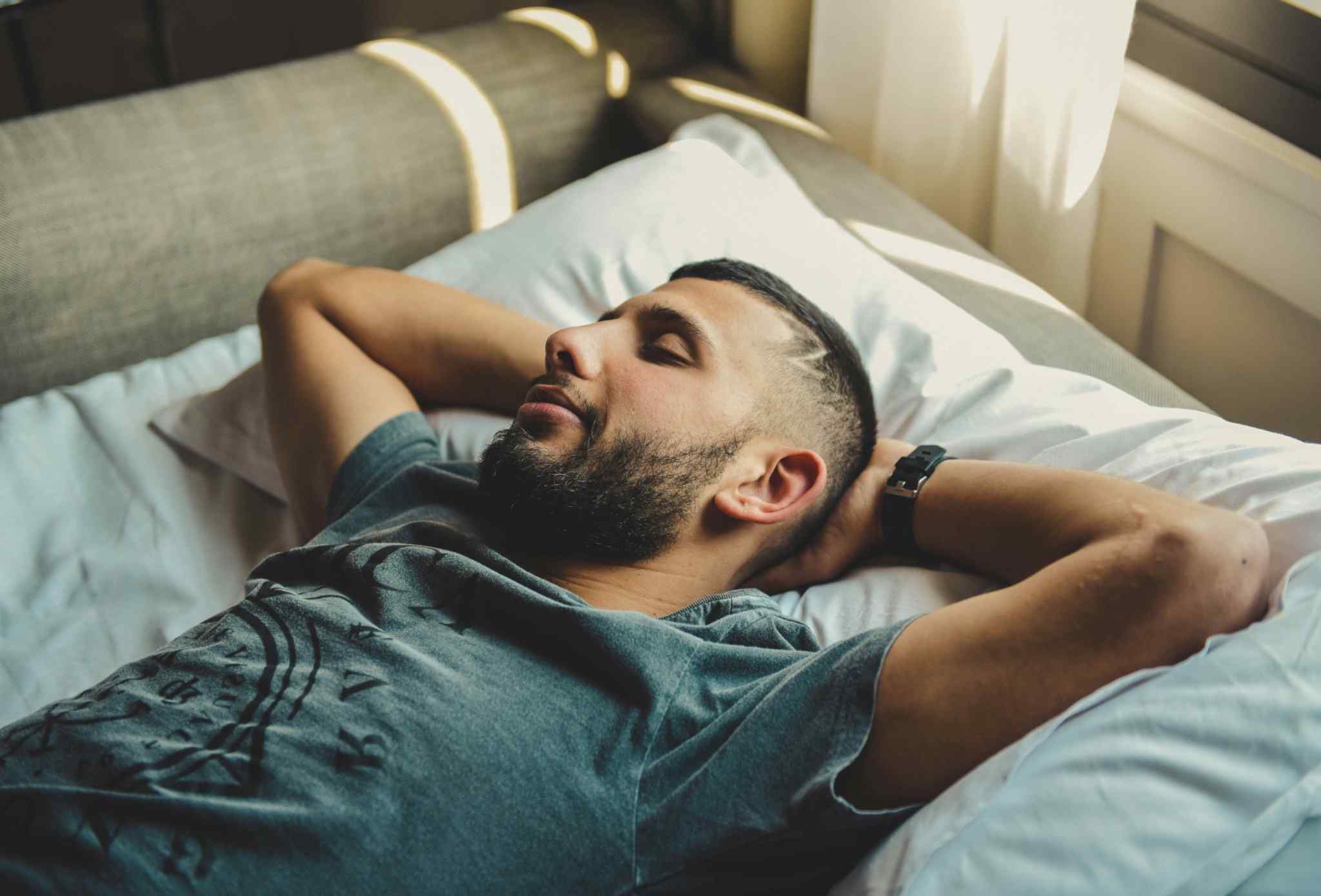
If you’ve been told you need a CPAP machine and your heart sank a little, you’re not alone. Plenty of our Houston patients come in asking about a sleep apnea mouth guard instead — usually because their CPAP is sitting in a closet somewhere, barely used. The mask felt claustrophobic, the hose got in the way, or the noise kept their partner up worse than the snoring did.
Here’s what many people don’t know: a custom sleep apnea mouth guard can treat mild-to-moderate obstructive sleep apnea without any of that. No mask. No machine. Just a small device that fits over your teeth while you sleep. It’s called oral appliance therapy, and it’s one of the treatments we’re most excited to offer at Henry Smiles — because it actually gets worn.
First, a Quick Refresher on Sleep Apnea
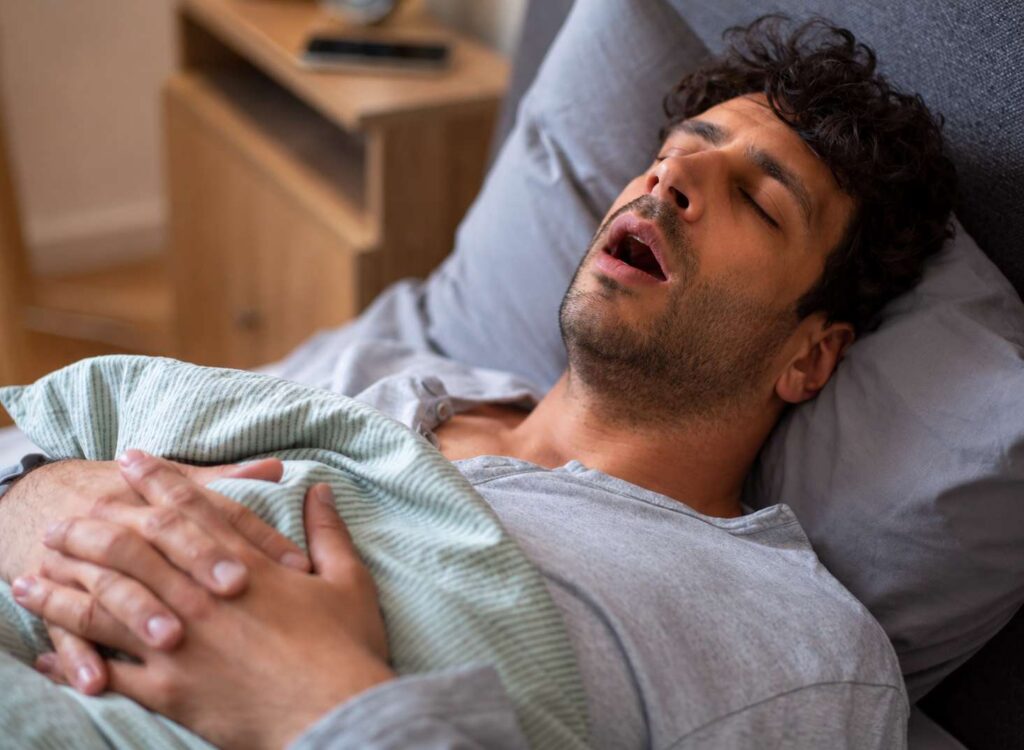
Obstructive sleep apnea (OSA) happens when the soft tissue at the back of your throat relaxes and blocks your airway during sleep. Your breathing stops, your brain jolts you awake just enough to breathe again, and the cycle repeats — sometimes dozens of times an hour. That’s why you can sleep eight hours and still feel wrecked in the morning.
Left untreated, it’s more than an annoyance. The Mayo Clinic links untreated OSA to high blood pressure, heart problems, and daytime fatigue that affects everything from work to driving. We cover the warning signs and risk factors in more detail on our dental sleep apnea page, but the short version: loud snoring, gasping awake, morning headaches, and constant tiredness are all reasons to get checked.
So What Exactly Is a Sleep Apnea Mouth Guard?
The technical name is a mandibular advancement device, or MAD. In plain English: a sleep apnea mouth guard is a custom-fitted device that slides over your upper and lower teeth and holds your lower jaw slightly forward while you sleep. That small shift keeps your airway from collapsing, which means you keep breathing — and in most cases, the snoring quiets down too, since snoring and apnea come from the same narrowed airway.
There’s a second type called a tongue retaining device that holds the tongue forward instead of the jaw. It’s less common, but it can work for patients who can’t comfortably shift their jaw. We’ll tell you honestly which one makes sense for you — or whether an appliance is the right call at all.
“Can’t I Just Buy One at the Drugstore?”
You can, and we understand the appeal — a boil-and-bite guard costs a fraction of a custom one. But we’ve fit a lot of patients who tried that route first, and the story is usually the same: the thing was bulky, it fell out at 2 a.m., or it shoved the jaw to a position that either did nothing or left it aching.
A custom appliance is different in two ways that matter. It’s molded to your actual teeth, so it stays put and feels more like a retainer than a hockey mouthguard. And it’s adjustable in tiny increments, so we can find the exact jaw position that opens your airway without straining your joints. That’s also why the American Academy of Dental Sleep Medicinerecommends custom, dentist-fitted appliances over one-size-fits-all versions for treating sleep apnea.
Sleep Apnea Mouth Guard vs. CPAP: An Honest Comparison
Let’s be straight with you: for severe sleep apnea, CPAP is still the gold standard, and we’ll tell you if that’s your situation. But treatment only works if you use it, and research from the American Academy of Sleep Medicine has long recognized oral appliances as a first-line option for mild-to-moderate OSA — and for anyone who simply can’t stick with CPAP.
What patients like about the mouth guard:
- It’s quiet. No motor humming next to the bed. Your partner will notice the difference before you do.
- It travels. It fits in a case the size of a soap dish. No dragging a machine through airport security or hunting for an outlet in a hotel room.
- It’s simple. Brush it in the morning like a retainer. That’s the whole maintenance routine.
- You’ll actually wear it. This is the big one. A “less powerful” treatment you use every night beats a “perfect” one gathering dust.
Who’s a Good Candidate?
An oral appliance tends to be a great fit if you:
- Have mild or moderate obstructive sleep apnea (confirmed by a sleep study)
- Snore loudly or wake up gasping
- Tried CPAP and couldn’t stick with it
- Travel often and need something portable
- Have enough healthy teeth to anchor the device
Not sure where you fall? That’s fine — most people who walk in haven’t had a sleep study yet. We’ll look at your symptoms, your airway, and your jaw during a regular exam, and if it looks like sleep apnea, we coordinate with a sleep physician to get you properly diagnosed before anyone talks treatment. No guesswork, no selling you a device you don’t need.
What Getting One Looks Like at Henry Smiles
The whole process is easier than most people expect:
- Consultation. We go over your symptoms and sleep study, check your bite and jaw joints, and answer your questions. If you’ve read about our practice, you know we don’t rush this part.
- Digital scan. A quick scan of your teeth — no goopy impression trays.
- Fitting. When your appliance comes back from the lab, we fit it, show you how to wear and clean it, and dial in the jaw position.
- Follow-ups. We check in over the following months to fine-tune the fit, make sure your symptoms are improving, and keep an eye on your teeth and bite.
Most people adjust within a week or two. The first night might feel strange. By week three, most patients tell us they can’t sleep without it.
What Does a Sleep Apnea Mouth Guard Cost?
Here’s some genuinely good news: because a sleep apnea mouth guard is a medical treatment for a diagnosed condition, it’s often covered by medical insurance — not just dental. Coverage varies by plan, so before anything starts, our front office will check your benefits and lay out the numbers plainly. You’ll know what you’re paying before you commit, not after.
A Few Questions We Hear a Lot
Does a mouth guard really work as well as CPAP?
For mild-to-moderate OSA, custom appliances perform remarkably well — largely because people actually wear them all night. For severe cases, CPAP usually wins, and we’ll be upfront about that.
Will it stop my snoring?
Almost always, yes. Snoring and apnea share the same cause, so opening the airway tends to fix both.
Does it hurt?
No. Expect some mild jaw awareness the first few mornings — similar to getting a new retainer. If anything feels genuinely sore, we adjust it.
Do I need a sleep study first?
Yes, and that protects you. A study tells us how severe your apnea is, which determines the right treatment. The National Heart, Lung, and Blood Institute has a good plain-language overview of how sleep apnea is diagnosed if you want to read up beforehand.
Ready to Sleep Like a Person Again?
You don’t have to choose between a machine you hate and a health problem you ignore. If snoring, restless nights, or a neglected CPAP sound familiar, come talk to us. We’ll figure out — honestly — whether a custom sleep apnea mouth guard is right for you.
Schedule your consultation at Henry Smiles Dental in Houston. Your mornings will thank you.