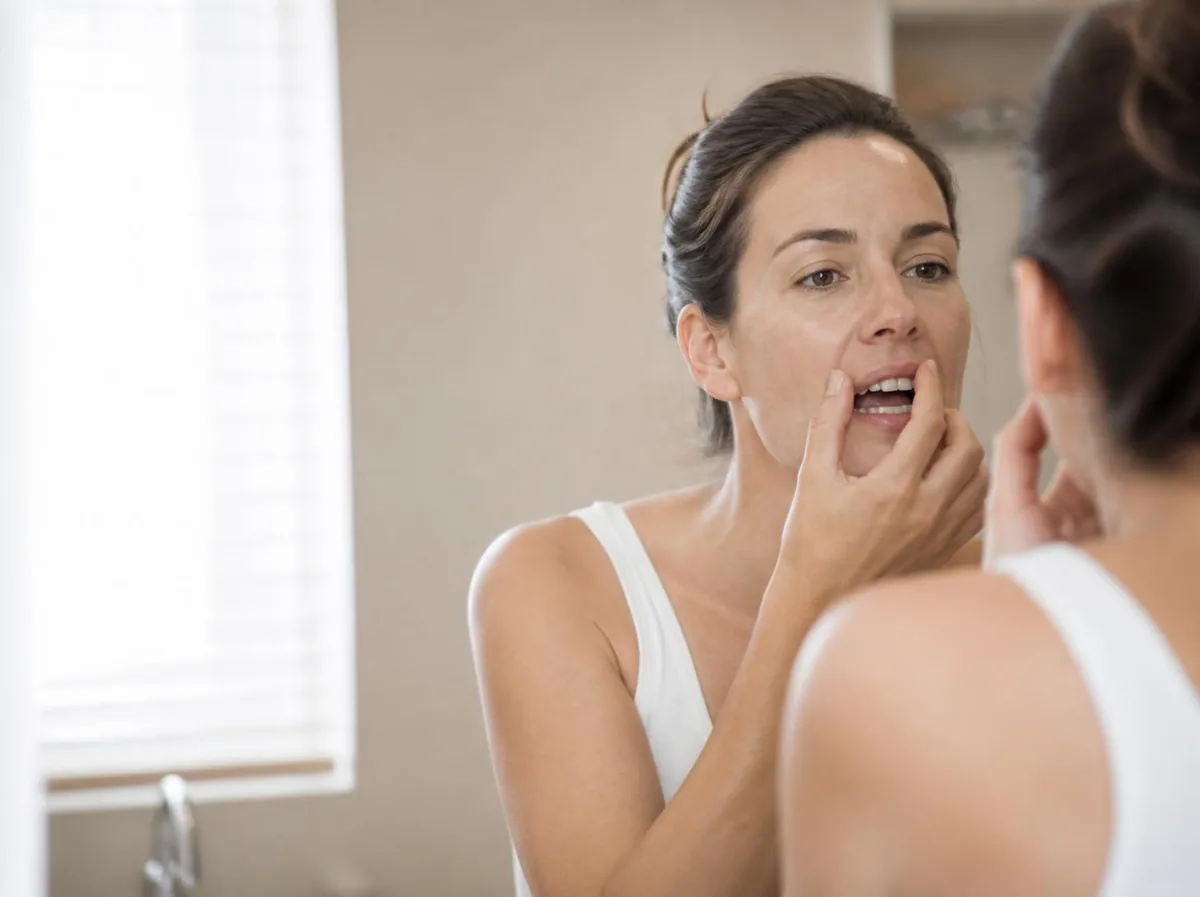
Most people notice it in a mirror rather than at a dental visit. A tooth looks longer than it used to. A yellowish band sits near the gum line where none used to sit. Cold water hits one spot in a way it never did before. That’s usually the moment someone starts looking into gum recession treatment in Houston, and the first question they type is almost always the same one: will it grow back on its own?
It won’t. Gum tissue doesn’t regenerate once it pulls away from the tooth, and you should understand that before spending money on anything. Plenty of products imply they can reverse recession. None of them do.
What good treatment can do is stop the process from going further, and in the right cases, cover the exposed root with tissue again. Those are two different goals, and which one applies to you depends mostly on how far things have gone.
What’s pulling your gums back
Recession almost never has a single cause. Usually a couple of things work together over years.
Brushing too hard surprises people most. A firm-bristle brush and a heavy hand wear tissue away at the gum line. This version tends to show up in otherwise diligent patients, which feels deeply unfair, and it’s also the easiest to stop once someone points it out.
Periodontal disease destroys the attachment holding gum to tooth. This one worries us more, because the bone underneath is usually going too.
Grinding and clenching load teeth sideways in ways they never evolved to handle, and the tissue at the gum line absorbs the stress.
Thin tissue you inherited. Some people simply have a thin gum biotype with a narrow band of tough attached tissue. Nothing you did caused it. It does change which treatments will work for you, which matters later in this article.
Orthodontic movement, tobacco, and lip or tongue piercings show up regularly too.
Why it matters past the way it looks
Cosmetics get people into the chair, but they aren’t the real problem.
An exposed root surface has no enamel on it. It’s softer, it decays faster, and root cavities give dentists more trouble to restore than ones on the crown of a tooth. Sensitivity is the everyday complaint, and it worsens as the root loses more cover.
The bigger issue sits underneath. When periodontal disease drives the recession, the bone supporting the tooth recedes along with the gum, and bone loss is what eventually costs people teeth. If you want to see where that road ends, we’ve written about what happens once jawbone loss sets in and what the options look like at that stage. The short version: everything gets more complicated and more expensive the longer it runs.
When gum recession treatment in Houston stays simple
For mild recession with no active disease, the work is mostly about removing the cause and watching the site.
That means a soft brush and a lighter technique, a professional cleaning to clear what has collected below the gum line, a night guard if you grind, and measurements at every visit to confirm nothing is moving. A desensitizing agent or a bit of bonding over the exposed root handles the sensitivity.
None of that regrows tissue. It halts the loss and keeps a small problem small, which is honestly the best outcome on offer. Regular checkups and cleanings exist largely to catch things at this stage, when the answer is still boring.
Two ways to cover an exposed root
Once enough root shows that sensitivity, decay risk, or appearance becomes a real problem, the conversation turns to surgery. Two approaches are worth knowing about.
Connective tissue grafting
The traditional method, and still the most studied one. Your periodontist takes tissue from the roof of your mouth, positions it over the exposed root, and sutures it down. Periodontists have done this since the mid-1980s, the research behind it runs deep, and they know exactly what to expect from it.
The trade-off is the donor site. You heal two surgical areas instead of one, and the palate is the part most patients complain about afterward.
The Pinhole Surgical Technique
A newer approach developed by Dr. John Chao, and one we offer as part of our periodontal care. Rather than harvesting tissue from elsewhere, the dentist makes a very small entry point near the recession, threads specialized instruments through it to loosen the gum tissue already sitting there, and slides that tissue down over the exposed root. Collagen strips go underneath to hold the new position while it heals.
No incisions in the usual sense, no sutures, no palate donor site. That last one is why patients ask about it.
What the research actually shows
This is where a lot of practice websites go vague, so here’s the honest version.
A one-year randomized split-mouth trial compared the pinhole technique against a coronally advanced flap with connective tissue graft. Across 36 patients who had both treatments, recession reduction came out at 1.98 mm for the graft and 1.97 mm for pinhole, with root coverage of roughly 65% and 64%. Those differences mean nothing statistically, and both groups gained attachment.
So on the outcome most patients care about, the two run neck and neck.
One nuance deserves mention, though. The traditional graft produced a measurable increase in the band of tough keratinized tissue around the tooth. The pinhole approach did not. If your tissue is already thin, that difference isn’t academic — thicker tissue holds up better over the long run.
Pinhole isn’t right for everyone
Anyone who tells you otherwise is selling.
The technique works well for mild to moderate recession where enough healthy tissue exists to reposition. Because it uses what’s already there, it can often cover several teeth in one sitting, and recovery tends to go easily.
It fits poorly when there isn’t much tissue to work with. A thin gum biotype, a narrow band of attached gingiva, high frenum attachments, a shallow vestibule, or more complex defects all point back toward traditional grafting, precisely because grafting adds tissue instead of just relocating it.
An exam with measurements is the only way to know which category you fall into. Nobody can determine it from a photo, and you shouldn’t decide based on which procedure sounds less unpleasant.
Worth asking at your consultation
- How much recession is there in millimeters, and how much attached tissue remains?
- Is this active periodontal disease, or mechanical wear from brushing or grinding?
- Am I a candidate for pinhole, and if not, what specifically rules me out?
- Is the bone receding too, or just the gum?
- What stops this from happening again on the neighboring teeth?
People forget that last one. Covering an exposed root without addressing the cause just resets the clock.
Where to start
If you’ve noticed your gums pulling back, book a periodontal evaluation with actual measurements, so you know whether you’re facing a monitoring situation or a surgical one. Those are very different conversations, and guessing between them wastes time.
Our periodontal team handles gum recession treatment in Houston across that whole range, from early intervention through pinhole and grafting procedures. If you’d rather read further on the clinical side first, the American Academy of Periodontology publishes patient-facing material on recession, and you can find the comparison trial cited above in full on PubMed.