
Patients considering dental implants in Houston often want to know whether implants last 10 years, 20 years, or even a lifetime. Understanding dental implant lifespan starts with knowing what affects long-term success, including oral hygiene, gum health, bone support, and ongoing maintenance.
Most long-term implant problems do not start with the titanium implant itself. Plaque, biofilm, and mechanical wear on crowns, screws, and other components cause many of the issues we see over time.
If you are considering dental implants in Houston or already have one, a better question is: which implant components can last for decades, and which parts require routine maintenance or eventual replacement?
What We See Most Often in Implant Maintenance
One misconception we hear from Houston patients is that the implant itself is usually the first thing to fail. In reality, the implant post often remains stable for many years. More commonly, we see issues involving crowns, screws, gum inflammation, or maintenance-related problems. Patients who stay consistent with professional cleanings and periodontal evaluations typically experience fewer long-term complications.
Quick Answer: Typical Dental Implant Lifespan (And What “Lasts” Means)
Dental implant lifespan depends on which part you are talking about. A “dental implant” is really a system with multiple implant components that age differently.
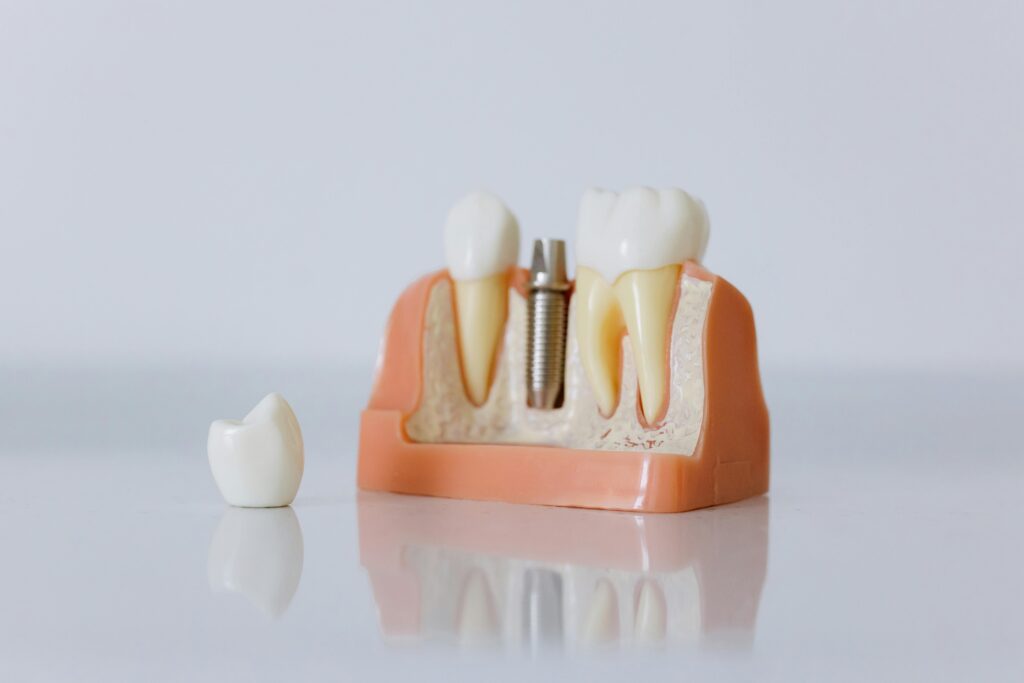
The implant post is the portion placed into the jawbone during dental implant surgery. It is typically a titanium implant that bonds to bone through osseointegration, and it often lasts decades when health and hygiene are stable.
The abutment is the connector between the implant post and the visible tooth. The crown (or an implant-supported bridge, or full-arch prosthetic teeth like All-on-X) is the chewing surface you see, and it is the part most likely to need crown replacement due to normal wear.
Many practices say implants “can last a lifetime” because the implant post can remain stable for a very long time. Outcomes still depend on risk factors like smoking, gum disease, teeth grinding, bite force, and consistent periodontal maintenance.
Implant Post vs. Crown: Which Part Usually Needs Replacement First?
In stable conditions, the implant post rarely becomes the first failure point. Once osseointegration occurs and healthy bone levels remain in place, the titanium implant can function for decades. This long-term stability plays a major role in overall dental implant lifespan.
Daily chewing forces, temperature changes, clenching, and grinding place constant stress on the crown. Over time, crowns can chip, wear down, or loosen. Material selection, bite force, and occlusion findings all influence how often a crown may need repair or replacement.
Patients with an implant-supported bridge or All-on-X prosthetic teeth often see a similar pattern. The implants frequently remain stable for many years, while bridge teeth, acrylic, porcelain, or small components such as screws require maintenance or replacement over time.
What Counts as “Failure” vs. Normal Maintenance?
Normal maintenance includes things like tightening or replacing screws, addressing abutment screw loosening, replacing a worn crown, or adjusting a night guard. These issues can be inconvenient, but they do not automatically mean implant failure.
Implant failure is more serious and can involve loss of integration, implant fracture, progressive bone loss, or infection that does not respond to care. The goal of maintenance is to catch small problems early, before they threaten the implant post or surrounding jawbone.
What Affects How Long Dental Implants Last in Houston
Patient habits often matter more than the implant material. The implant success rate is strongly tied to daily oral hygiene and consistent professional oversight, especially for patients with a history of gum disease.
Oral health conditions and medical factors also influence healing and long-term stability. Diabetes control, autoimmune disease, and certain medications can affect inflammation, tissue response, and recovery.
Your starting bone support matters too. If you want a deeper explanation of how bone levels influence long-term stability, see our page on how implant-related bone changes are evaluated and treated.
Lifestyle Risks: Smoking, Teeth Grinding, and Skipping Maintenance
Smoking remains one of the most significant risk factors for implant complications. It slows healing after implant placement, increases inflammation around implants, and can negatively affect dental implant lifespan over time.
Teeth grinding, also known as bruxism, places excessive force on crowns and implant components. A custom night guard helps protect crowns, screws, and the implant-abutment connection from unnecessary stress and wear.
Many patients underestimate the importance of regular maintenance. Skipping periodontal checkups and professional cleanings allows plaque and biofilm to accumulate around implants. While implants cannot develop cavities, the surrounding gums and bone can still deteriorate, which may shorten dental implant lifespan.
Gum Disease and Peri-Implantitis: The Biggest Long-Term Threat
Gum disease is a major predictor of future implant complications. The same bacteria that cause periodontal disease can colonize around implants, forming biofilm that triggers inflammation.
Early inflammation around implants is often called peri-implant mucositis. If it progresses deeper with bone loss, it becomes peri-implantitis, which can threaten stability even when the implant post was placed perfectly. For additional information about peri-implant disease and prevention, see the American Academy of Periodontology.
Watch for early signs like bleeding gums around the implant, swelling, a persistent bad taste, bad breath, or gum recession that exposes more of the crown margin. These symptoms deserve an evaluation before bone levels change.
Step-by-Step: How to Make Dental Implants Last Longer
Implants last longer when home care and professional care work together. Most breakdowns start at the gumline, so your routine should focus on cleaning where the crown meets the tissue.
Protection matters too. If your bite changes, if you grind, or if your crown feels “high,” addressing it early reduces stress on the implant components.
If you are still deciding whether implants are the right long-term investment, our breakdown of when implants make sense for Houston patients may help.
Daily Home Care Checklist for Implant Patients
Use a soft-bristle toothbrush and brush along the gumline, not just the chewing surface. Aim the bristles where plaque collects around the crown margins.
Add interdental cleaning based on what your dentist recommends for your anatomy and restoration type.
- Flossing with a floss threader can help clean under an implant-supported bridge.
- An interdental brush can clean open embrasures if you have the space for it.
- A water flosser can flush around the implant crown and along the gumline, especially for bridges and All-on-X prosthetic teeth.
If you notice bleeding when brushing or flossing around an implant, do not assume it is normal. Bleeding is usually a sign of inflammation and needs a targeted plan.
What to Ask for at Your Implant Maintenance Visits
Ask your dental team to measure and document the tissues around your implants during maintenance visits. Monitoring bleeding, pocket depth changes, and tissue health over time helps identify issues before they affect dental implant lifespan.
Request radiographs when your provider recommends them. Timely imaging can reveal early bone loss and other concerns while treatment options remain simpler and more predictable.
Ask for periodic occlusion evaluations, especially if you have a new crown, an implant-supported bridge, or All-on-X restoration. Even small bite changes can create excess force that contributes to loose crowns, screw loosening, and porcelain fractures.
Confirm that your dental team uses implant-safe instruments during professional cleanings. Scratches on implant surfaces can encourage plaque accumulation, increase inflammation, and negatively affect dental implant lifespan.
Implant Procedure and Healing Timeline: How Recovery Impacts Longevity
Longevity starts with good planning and a controlled healing process. A typical path includes consultation, evaluation, treatment planning, implant placement, healing, and then the final crown or bridge.
The osseointegration window matters because bone is literally bonding to the implant surface. For many patients, that integration phase is often around 3 to 6 months, though timelines vary by site, bone density, and whether grafting was needed.
Rushing the loading process or failing to follow post-operative instructions can increase complication risk. If you are concerned about recovery after implant placement, learn more about what implant pain typically feels like and when to call.
Two Phases of Healing: Early Recovery vs. Long-Term Integration
Days 1 to 3 are mostly about swelling control and soft-tissue healing. Gentle brushing away from the surgical site, a softer diet, and following medication instructions reduce irritation and infection risk.
Months 3 to 6 are about long-term integration. Stability increases as the jawbone remodels and strengthens around the titanium implant, which is why follow-up visits during this time matter.
When Bone Grafting or Sinus Lifts Change the Timeline
Bone grafting can extend the timeline, but it often improves long-term support when bone volume is insufficient. More bone can mean better load distribution and less risk of future bone loss.
A sinus lift is sometimes needed for upper back teeth when the sinus limits implant length. Building adequate bone in that area supports the implant and reduces biomechanical stress over time.
Signs an Implant or Crown May Need Attention (Before It Becomes a Bigger Problem)
Most serious problems start with small signals. Catching them early often means simpler treatment and a better chance of keeping the implant post.
Red flags include bleeding, swelling, persistent bad breath, gum recession, or any pus that suggests infection. Mechanical changes matter too, including clicking, looseness, bite changes, or pain when chewing.
If something feels off, schedule an evaluation rather than waiting for your next cleaning. A loose crown or early inflammation can often be addressed before it damages bone.
Common Mechanical Problems and Fixes
A loosened screw, cement issue, or restoration problem can cause a loose crown. In many cases, your dental team can correct the issue by retightening components, replacing small parts, or adjusting the bite before it affects dental implant lifespan.
Abutment screw loosening occurs often enough that dentists generally view it as a maintenance issue rather than a major failure. Prompt treatment prevents additional movement and helps protect the connection surfaces from long-term wear.
A chipped crown may only require polishing or a minor repair, although larger fractures sometimes require crown replacement. Crown material, chip size, bite force, and chewing patterns all influence the most appropriate treatment approach and can affect overall dental implant lifespan.
Common Biological Problems and Fixes
Peri-implant mucositis is inflammation limited to the soft tissue, and it can often be reversed. Improved oral hygiene plus professional cleanings and targeted plaque removal can calm tissues before bone is affected.
Peri-implantitis involves bone loss and needs more intensive care. Treatment may include deeper debridement, antimicrobial therapy, and in some cases surgical treatment aimed at infection control and bone preservation.
Common Mistakes That Shorten Implant Lifespan
The most common mistake is treating implants as “maintenance-free.” Implants need periodontal maintenance and monitoring because plaque and biofilm still trigger inflammation.
Another mistake is delaying treatment for gum disease or ignoring early symptoms like bleeding gums, swelling, or a bad taste. Waiting can turn a manageable problem into bone loss around the implant.
Mechanical misuse also matters. Chewing ice, cracking nuts, or using teeth to open packaging can crack crowns, stress screws, and shorten the life of the restoration.
Why Delaying Care Can Turn a Simple Fix Into a Replacement
Early inflammation can progress from mucositis to peri-implantitis if plaque remains and tissues stay inflamed. Once bone loss starts, treatment becomes more complex and outcomes are less predictable.
Mechanical looseness also escalates when ignored. A small movement at the crown can increase wear at the connection, making future repairs harder and increasing the risk of implant replacement.
Houston-Specific Considerations: Finding Ongoing Care and Protecting Your Investment
Continuity of care is a big deal with implants. Choose a Houston dental team that not only places implants but also provides long-term periodontal checkups, professional cleanings, and repair access when something loosens or breaks.
Houston schedules are real, especially with commutes and work travel. Treat implant maintenance like you would medical checkups, because missed visits are when small problems often become expensive ones.
If you are searching for a local team for placement or long-term maintenance, you can read more about our approach to implant planning and follow-up care in Houston.
Houston Neighborhoods and Areas Where Patients Commonly Seek Implant Care
Many patients choose a dental provider close to home or work because convenience makes follow-up care easier. We regularly see patients from The Heights, Houston Heights, River Oaks, and surrounding communities who want to protect their dental implant lifespan through consistent maintenance and timely evaluations.
If you expect multiple follow-up visits, choose a location that fits comfortably into your schedule. Easy access to routine cleanings, maintenance appointments, and minor repairs can help you stay on track and support long-term dental implant lifespan.
What to Bring to a Houston Implant Checkup if You Had Treatment Elsewhere
Bring any prior records you can get from the original office. The implant system and component compatibility matter more than most patients realize.
Helpful items include:
- Implant brand or system name, if known
- Implant size and location
- Torque values used for screws, if documented
- Crown material details
- Prior radiographs and surgical notes
Matching components can depend on knowing the implant brand. Without that information, a simple screw replacement can turn into a longer appointment or extra lab steps.
FAQ
What Is the 3 2 Rule for Implants?
The “3 2 rule” commonly refers to spacing guidelines used in treatment planning. It often means about 3 mm between implants and about 2 mm between an implant and a natural tooth to help protect bone and gum tissue.
Your dentist may adjust spacing based on your anatomy, jawbone volume, and the implant system being used. This is one reason a detailed evaluation and imaging matter before surgery.
Can a Person With Lupus Get Dental Implants?
Often yes, but it depends on disease control, medications, and healing risk. Lupus is an autoimmune disease, and some patients take medications that affect immune response or bone metabolism.
A Houston implant dentist will usually coordinate with your physician when needed. Timing, infection-prevention steps, and a tighter periodontal maintenance schedule may be recommended.
How Much Do Implants Cost in Houston Texas?
Dental implants cost varies based on whether you need a single implant post and crown, an implant-supported bridge, or a full-arch option like All-on-X. Costs also change with bone grafting, sinus lift needs, imaging, and the type of crown material.
The most accurate number comes from a consultation with imaging and a written treatment plan. For a local breakdown, see our page on what drives implant pricing in Houston.
What Happens After 20 Years of Dental Implants?
Many implant posts are still stable after 20 years, especially when gum health is maintained and smoking is avoided. What often changes is the restoration: crowns, bridges, or screws may need service or replacement due to normal wear.
Long-term outcomes depend heavily on gum disease history, bruxism control, bite force management, and consistent periodontal checkups with radiographs when indicated.
Key Takeaways: How to Get 20+ Years From Dental Implants
The implant post can often last decades, while crowns and other wear parts may need attention sooner. Thinking in terms of implant components helps you plan for normal maintenance instead of being surprised by it.
The biggest longevity drivers are gum health, smoking status, grinding control, and consistent professional cleanings with periodontal maintenance. Good brushing, smart interdental cleaning, and early repairs protect your jawbone and reduce the risk of implant failure.
If you have questions about your implant, bite changes, or signs of inflammation, schedule a consultation so we can evaluate the implant, check bone levels, and build a maintenance plan that fits your risk factors.
When to Book Your Next Visit
Most patients do well with routine maintenance visits based on risk level. A history of gum disease, smoking, diabetes, bruxism, or prior bone loss often means more frequent periodontal checkups.
If you are considering dental implants or want to evaluate the health of an existing implant, Henry Smiles Dental can help. Our team can assess implant stability, bone support, gum health, and long-term maintenance needs so you can protect your investment and maintain a healthy smile for years to come.