
Patients considering dental implants in Houston often want to know whether implants last 10 years, 20 years, or even a lifetime. Understanding dental implant lifespan starts with knowing what affects long-term success, including oral hygiene, gum health, bone support, and ongoing maintenance. Most long-term implant problems do not start with the titanium implant itself. Plaque, biofilm, and mechanical wear on crowns, screws, and other components cause many of the issues we see over time. If you are considering dental implants in Houston or already have one, a better question is: which implant components can last for decades, and which parts require routine maintenance or eventual replacement? What We See Most Often in Implant Maintenance One misconception we hear from Houston patients is that the implant itself is usually the first thing to fail. In reality, the implant post often remains stable for many years. More commonly, we see issues involving crowns, screws, gum inflammation, or maintenance-related problems. Patients who stay consistent with professional cleanings and periodontal evaluations typically experience fewer long-term complications. Quick Answer: Typical Dental Implant Lifespan (And What “Lasts” Means) Dental implant lifespan depends on which part you are talking about. A “dental implant” is really a system with multiple implant components that age differently. The implant post is the portion placed into the jawbone during dental implant surgery. It is typically a titanium implant that bonds to bone through osseointegration, and it often lasts decades when health and hygiene are stable. The abutment is the connector between the implant post and the visible tooth. The crown (or an implant-supported bridge, or full-arch prosthetic teeth like All-on-X) is the chewing surface you see, and it is the part most likely to need crown replacement due to normal wear. Many practices say implants “can last a lifetime” because the implant post can remain stable for a very long time. Outcomes still depend on risk factors like smoking, gum disease, teeth grinding, bite force, and consistent periodontal maintenance. Implant Post vs. Crown: Which Part Usually Needs Replacement First? In stable conditions, the implant post rarely becomes the first failure point. Once osseointegration occurs and healthy bone levels remain in place, the titanium implant can function for decades. This long-term stability plays a major role in overall dental implant lifespan. Daily chewing forces, temperature changes, clenching, and grinding place constant stress on the crown. Over time, crowns can chip, wear down, or loosen. Material selection, bite force, and occlusion findings all influence how often a crown may need repair or replacement. Patients with an implant-supported bridge or All-on-X prosthetic teeth often see a similar pattern. The implants frequently remain stable for many years, while bridge teeth, acrylic, porcelain, or small components such as screws require maintenance or replacement over time. What Counts as “Failure” vs. Normal Maintenance? Normal maintenance includes things like tightening or replacing screws, addressing abutment screw loosening, replacing a worn crown, or adjusting a night guard. These issues can be inconvenient, but they do not automatically mean implant failure. Implant failure is more serious and can involve loss of integration, implant fracture, progressive bone loss, or infection that does not respond to care. The goal of maintenance is to catch small problems early, before they threaten the implant post or surrounding jawbone. What Affects How Long Dental Implants Last in Houston Patient habits often matter more than the implant material. The implant success rate is strongly tied to daily oral hygiene and consistent professional oversight, especially for patients with a history of gum disease. Oral health conditions and medical factors also influence healing and long-term stability. Diabetes control, autoimmune disease, and certain medications can affect inflammation, tissue response, and recovery. Your starting bone support matters too. If you want a deeper explanation of how bone levels influence long-term stability, see our page on how implant-related bone changes are evaluated and treated. Lifestyle Risks: Smoking, Teeth Grinding, and Skipping Maintenance Smoking remains one of the most significant risk factors for implant complications. It slows healing after implant placement, increases inflammation around implants, and can negatively affect dental implant lifespan over time. Teeth grinding, also known as bruxism, places excessive force on crowns and implant components. A custom night guard helps protect crowns, screws, and the implant-abutment connection from unnecessary stress and wear. Many patients underestimate the importance of regular maintenance. Skipping periodontal checkups and professional cleanings allows plaque and biofilm to accumulate around implants. While implants cannot develop cavities, the surrounding gums and bone can still deteriorate, which may shorten dental implant lifespan. Gum Disease and Peri-Implantitis: The Biggest Long-Term Threat Gum disease is a major predictor of future implant complications. The same bacteria that cause periodontal disease can colonize around implants, forming biofilm that triggers inflammation. Early inflammation around implants is often called peri-implant mucositis. If it progresses deeper with bone loss, it becomes peri-implantitis, which can threaten stability even when the implant post was placed perfectly. For additional information about peri-implant disease and prevention, see the American Academy of Periodontology. Watch for early signs like bleeding gums around the implant, swelling, a persistent bad taste, bad breath, or gum recession that exposes more of the crown margin. These symptoms deserve an evaluation before bone levels change. Step-by-Step: How to Make Dental Implants Last Longer Implants last longer when home care and professional care work together. Most breakdowns start at the gumline, so your routine should focus on cleaning where the crown meets the tissue. Protection matters too. If your bite changes, if you grind, or if your crown feels “high,” addressing it early reduces stress on the implant components. If you are still deciding whether implants are the right long-term investment, our breakdown of when implants make sense for Houston patients may help. Daily Home Care Checklist for Implant Patients Use a soft-bristle toothbrush and brush along the gumline, not just the chewing surface. Aim the bristles where plaque collects around the crown margins. Add interdental cleaning based on what your dentist recommends for your anatomy and restoration type. If you notice bleeding
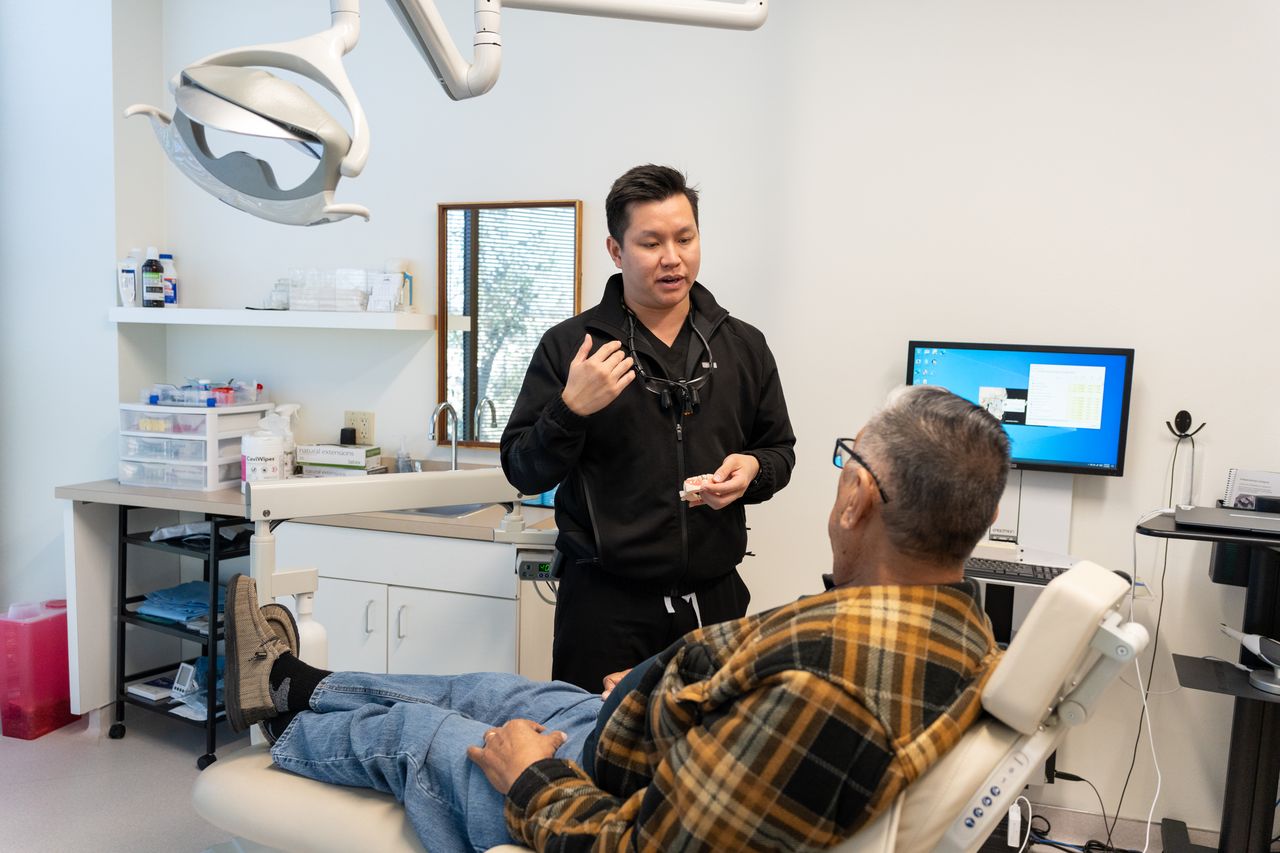
Are Dental Implants Painful? What Houston Patients Really Experience
Most people asking about dental implant pain are not really asking about titanium or crowns. They want to know whether dental implant surgery will hurt. They also wonder how much pain to expect after the procedure and whether recovery will disrupt daily life. For anyone searching “Are Dental Implants Painful? What Patients Really Experience,” the answer is simple. The procedure is usually easier than patients expect. However, the first few recovery days matter. This guide explains what you may feel during placement. It also covers normal soreness, how long dental implant pain lasts, and which factors can affect the experience in Houston practices. This will eliminate several long sentences while preserving the meaning, keyphrase opportunities, and overall flow. It should also slightly reduce the passive voice percentage. The Short Answer: What “Pain” Usually Means With Dental Implants When patients talk about pain, they often describe three different sensations. These include pressure during treatment, soreness after the numbness wears off, and anxiety before the appointment. That distinction matters. Local anesthesia usually prevents sharp procedural pain. However, normal healing can still cause tenderness afterward. Most patients report little to no pain during implant placement because the area is fully numb. In addition, careful candidate screening helps clinicians identify who may need a modified treatment plan. Online stories often skew negative because people with smooth recoveries rarely post about them. At the same time, dental anxiety can make dramatic accounts seem more common than they actually are. What Patients Commonly Say After Surgery A common patient report is that implants feel less intense than a tooth extraction, especially when the site was planned well and infection was absent beforehand. A prosthodontist or implant-focused dentist often hears the same pattern: patients who expected severe pain are surprised that the discomfort feels more like bruised pressure than acute injury. What You Feel During the Procedure in Houston Clinics During implant placement, local anesthesia blocks sharp pain. However, you may still notice vibration, pressure, and sound as the implant is placed in the bone. Many patients mistake these sensations for pain. If discomfort occurs, the dentist can usually correct it quickly by administering additional anesthetic. Sedation dentistry mainly affects awareness rather than tissue response. As a result, it helps reduce anxiety, gag reflexes, and time perception. However, it does not eliminate all post-operative soreness. Procedure length also varies based on the number of implants, extractions, and grafting procedures involved. For that reason, Houston clinicians should check numbness throughout treatment instead of assuming the first injection provides enough anesthesia. Anesthesia and Sedation Options (What They Change and What They Don’t) Local anesthesia numbs the surgical site, but you can still perceive pressure, jaw stretching, and instrument vibration. An oral maxillofacial surgeon may also offer oral or IV sedation, which reduces memory and anxiety but does not replace the need for precise local numbing. What “Minimally Invasive” Placement Can Reduce Minimally invasive dentistry can reduce tissue disruption, swelling, and chair time when anatomy allows a smaller access approach. Strong treatment planning, especially with digital guides and 3D imaging, matters because fewer surprises during surgery usually translate into a calmer experience and less soreness afterward. The First 72 Hours: What Recovery Feels Like Day by Day The first three days shape most of the recovery experience. During this time, patients may notice swelling, tenderness, mild oozing, and occasional bruising. In most cases, soreness peaks between 24 and 48 hours. After that, it should gradually improve rather than worsen. Certain activities can increase discomfort. These include chewing on the surgical side, skipping ice therapy, sleeping flat, or returning to normal activities too soon. Recovery should move in a positive direction each day. Therefore, pain that becomes worse after initial improvement deserves attention because it may indicate a complication rather than normal healing. Typical Timeline for Discomfort and Swelling On day 0, numbness fades and soreness gradually appears, especially when talking or biting. Days 1 through 3 usually bring the most swelling, after which most patients notice steady improvement if they protect the area. How Long Does Dental Implant Pain Last? For uncomplicated cases, most discomfort improves significantly within several days, even though osseointegration continues silently for months under the surface. If pain is persistent, sharp, or worsening after early improvement, the answer to how long does dental implant pain last is simple: long enough to justify a call. Why Pain Happens After Implant Surgery (And What Actually Predicts It) Pain after implants comes mainly from inflammation, soft-tissue healing, and early bone remodeling, not from the implant “rejecting” the body. That is why mild aching can be normal even when the implant is stable and the surgical site looks healthy. More involved procedures such as bone grafting, a sinus lift, or multiple implants usually create more soreness because more tissue is manipulated. The strongest predictors of recovery are health status and habits, not supposed pain tolerance, and patients with the most fear often end up using the least medication once they see the discomfort is manageable. Factors That Can Make Recovery Harder Smoking and vaping reduce blood flow and increase complication risk, which can delay healing and make tenderness last longer. Uncontrolled diabetes also raises infection risk and slows tissue repair, so medical control often matters more than personality or toughness. How Post-Op Instructions Change Your Experience A soft food diet, careful oral hygiene, and temporary activity restrictions reduce swelling and protect the clot and tissues during early healing. Patients who follow instructions closely usually report less throbbing because inflammation responds to behavior as much as to medication. Pain Management That Works: What Houston Patients Can Do at Home Most implant discomfort can be managed at home. Patients typically use clinician-recommended over-the-counter pain relievers, rest, hydration, and ice therapy. However, you should not combine medications on your own. The safest pain-management plan depends on your medical history, allergies, and current prescriptions. Cold therapy works best during the first 24 to 48 hours. In addition, soft foods and keeping your head elevated can

Can You Get Dental Implants With Bone Loss? in Houston
Jaw bone loss is common after tooth loss, but it is not the end of the road for dental implants in Houston. What it does change is the treatment plan. The right 3D imaging, careful planning, and proper surgical technique can still help many patients achieve stable, natural-looking teeth after bone loss. Dental Implants With Bone Loss in Houston: What’s Possible and What to Expect Understanding Jaw Bone Loss and Why It Matters for Implants Bone loss does not automatically rule out implants. It usually means your dentist needs a more customized approach, and sometimes a few extra steps. Dental implants rely on enough bone volume and bone density to lock in place at surgery. That early grip is called primary stability, and it helps the implant stay still while the bone heals around it. Over time, the goal is osseointegration, when your bone bonds to the implant surface. Without enough healthy bone support, the risk of implant failure goes up. Jaw bone loss can also affect daily function, not just implant placement. Teeth can shift, your bite can change, facial support can flatten, and dentures can start to rock or slip. Common Causes of Bone Loss After Tooth Loss After an extraction, the bone no longer gets the pressure and stimulation that a tooth root used to provide. The body responds with bone resorption, meaning the ridge slowly shrinks in height and width. Gum disease is another major cause of dental implants bone loss. Periodontal disease creates chronic inflammation that breaks down the bone supporting the teeth, and ongoing infection can continue damaging the jawbone even after tooth loss. How Much Bone Is “Enough” for an Implant? There is no single “minimum” that fits everyone. The upper jaw often has softer bone and sits near the maxillary sinus in the back, while the lower jaw often has denser bone but includes the nerve that supplies feeling to the lip and chin. Location matters too. Back teeth handle heavier chewing forces and may need wider implants or more support than front teeth. Quality can be as important as quantity. Your team checks stability clinically and on scans, because bone density affects how well an implant can anchor on day one. Step 1: Get the Right Evaluation in Houston (Not a Guess) A real answer about dental implants bone loss requires an exam and imaging, not a rule of thumb. If your provider skips a CBCT scan, you are not getting the full picture. A thorough implant consult should go beyond “you have bone loss.” Your dental team should review your bite (occlusion), gum health, medical history, and the long-term plan to keep implants healthy. Dental implants bone loss cases also require careful risk control. A smaller, well-planned case is often safer than a bigger case done too quickly. If you are researching providers, you can see how Henry Smiles Dental approaches implant care on their page about implant options in Houston. It helps to compare how different offices explain imaging, maintenance, and restoration choices. Imaging and Measurements That Guide the Plan A CBCT scan is the backbone of modern implant planning. This type of 3D imaging shows bone height, bone width, and bone density far better than a standard 2D X-ray. It also helps your dentist map critical anatomy. That includes the maxillary sinus in the upper jaw, the inferior alveolar nerve in the lower jaw, and the exact shape of the ridge. This is where nerve injury risk is assessed. Good planning aims to protect sensation and avoid surprises during surgery. Candidacy Factors Beyond Bone Volume Gum health plays a major role in dental implants bone loss cases because active gum disease increases the risk of peri-implantitis, an inflammatory infection around implants. Your dentist should treat and stabilize periodontal disease before moving forward with implant placement. Lifestyle and health factors also affect healing time. Smoking and vaping reduce blood flow to tissues, and uncontrolled diabetes can slow healing and raise infection risk. Bruxism (teeth grinding) can overload implants without proper bite planning. Oral hygiene habits matter too, because implants still need daily plaque control. Your provider should also review your medications and medical history during dental implants bone loss treatment planning. Certain osteoporosis medications, especially antiresorptive drugs, can affect healing and may require adjustments to the surgical approach. Step 2: Options That Can Make Implants Possible With Bone Loss Most dental implants bone loss solutions fall into three paths. You can rebuild bone, change the implant approach to use the bone you still have, or use full-arch dental implants to replace many teeth at once. The best dental implants bone loss option depends on how severe the bone loss is and where it is located. Upper jaw and lower jaw cases can look very different, especially around the back teeth. Your dental team may stage or combine treatments depending on the condition of the jawbone. The goal is predictable stability instead of rushing to place implants into weak bone. Bone Grafting (Ridge Augmentation) Bone grafting can rebuild areas affected by dental implants bone loss after bone resorption. Dentists often use ridge augmentation to restore bone width or height so implants can achieve stronger support and better long-term stability. Grafts can come from different sources. Common materials include autograft (your own bone), allograft (donor bone), xenograft (often bovine-based), and alloplast (synthetic). Many cases also use guided bone regeneration. That usually includes a barrier membrane to protect the graft and help the right cells repopulate the area. For readers who want the science behind regenerative approaches, this peer-reviewed overview on bone rebuilding before implant placement explains why grafts can work when done with proper technique. Sinus Lift for Upper Back Teeth In the upper back teeth area, the maxillary sinus can expand downward after tooth loss. That can leave too little bone under the sinus for an implant. A sinus lift adds bone in that space to create a stable foundation. Some cases use a lateral window approach, while others use a crestal

Understanding Dental Implant Costs in Houston
Missing a tooth affects chewing, speech, and confidence, but the price of replacing it is often the biggest obstacle. For patients asking about How Much Do Dental Implants Cost in Houston?, the real answer depends on anatomy, materials, and whether the quote includes the full implant surgery from dental exam to dental crown. Get a Clear Implant Price Range Before You Commit In Houston, a single dental implant often falls between $3,000 and $6,000, while full-arch implants cost much more because they combine multiple titanium implant placements, surgical planning, and a larger restoration. That range matters because what affects cost is not just the implant itself, but bone quality, the need for grafting, and how complex osseointegration will be in your case. A complete implant quote may include the implant post, abutment, crown, exam, and imaging, or those may appear as separate line items. Patients who compare estimates without checking inclusions can mistake a partial quote for a lower total price. Request Your Implant Cost Estimate Typical Houston Price Ranges (What Most Patients See) Most patients researching dental implant cost Houston see single tooth implant pricing between $3,000 and $6,000 depending on complexity, extraction needs, and crown material. Many complete implant procedures fall between $5,000 and $6,500 because they combine the implant, abutment, crown, imaging, and surgical planning into one treatment plan. Patients often prefer bundled pricing since it makes out-of-pocket costs easier to understand before treatment begins. Trusted by Houston Patients Who Want Straight Answers Henry Smiles Dental focuses on clear treatment planning instead of vague pricing averages because patients deserve to understand exactly what affects dental implant cost Houston providers quote. Many offices separate imaging, sedation, dental lab fees, and restoration costs, while others include them in the treatment plan from the beginning. Clear pricing helps patients compare options more confidently and avoid unexpected costs later in the process. Each customized treatment plan is based on the condition of the tooth, bone, bite, and surrounding tissue. That level of detail matters because implant success depends on fit and planning, not on choosing the cheapest estimate. What You’ll Get From Our Cost Consultation An implant consultation should leave you with a written estimate that separates the implant, abutment, implant crown, 3D imaging, and sedation dentistry if needed. Line-item pricing gives patients a practical way to compare options instead of guessing what a low quote leaves out. You should also see options ranked by priority, including what is necessary now and what can wait. That structure makes treatment feel manageable and reduces pressure during decision-making. Common Cost Concerns We Solve (Fast) Most patients worry about pain, hidden charges, and whether they are choosing the right office for both surgery and restoration. Those concerns are valid because poor planning can increase recovery time, raise costs, and compromise gum health around the implant. Another common fear is being pushed into treatment that is more extensive than necessary. Honest implant care starts with confirming whether an implant is truly the best value for your mouth, not whether it is the highest-ticket procedure. How We Keep Pricing Predictable Clear dental implant cost Houston estimates start with evaluating bone support, bite pressure, and signs of periodontal disease before treatment begins. Untreated infection or weak bone structure can change the surgical plan, increase healing time, and raise the final cost. Careful planning helps patients understand realistic pricing before moving forward with implant treatment. Some patients may benefit more from bridges or dentures instead of implants depending on bone health, budget, and long-term goals. A provider who explains multiple treatment options usually focuses on proper care and clinical judgment rather than pushing the most expensive procedure. What’s Included in an Implant Price (And What May Be Separate) The core implant price usually covers the implant fixture, abutment, and final crown, but diagnostics may be billed separately. A dental exam, X-rays, or a CBCT scan can change the total because bone density and exact anatomy determine both safety and implant longevity. Adjunct procedures often raise the final cost more than patients expect. Bone grafting, extraction, or a sinus lift may be necessary before placement, and each one adds surgical time, materials, and healing steps. Patients who want to better understand implant materials, procedures, and long-term success rates can review educational resources from the American Academy of Implant Dentistry. Single Tooth vs. Multi-Tooth vs. Full-Arch Pricing Patients comparing dental implant cost Houston options should know that a single tooth implant usually carries a per-tooth price, while an implant-supported bridge can lower the overall cost when several teeth are missing in the same area. In many cases, dentists can replace multiple missing teeth without placing a separate implant for every tooth, which can reduce both treatment time and overall expense. Full-mouth or per arch pricing applies to larger cases such as All-on-X, where the cost depends on implant count, prosthetic material, and surgical complexity. Patients considering dental implants houston options should compare arch-level quotes by inclusions, not by headline price alone. Implant Options We Can Quote in One Visit A useful implant visit should match the plan to your bone, bite, timeline, and budget. That is why one consultation can cover a single implant, an implant-supported bridge, implant-supported dentures, or full-arch treatment. Same-day teeth may be possible for some patients after evaluation. The deciding factors are stability at placement, infection control, and whether the case can support immediate loading. Service Card: Single Tooth Implant A single tooth implant is often the best fit when one missing tooth needs a natural look and fixed feel. Cost changes based on grafting needs, implant position, and crown material. Service Card: Implant-Supported Dentures Implant-supported dentures offer more stability than removable dentures and often reduce slipping and sore spots. Pricing depends on the number of implants and whether the design uses snap-in dentures or fixed dentures. Service Card: All-on-X Full-Arch Teeth All-on-X is a fixed full-arch option for major tooth loss or failing teeth. Total cost depends on implant number, temporary versus final teeth, and how
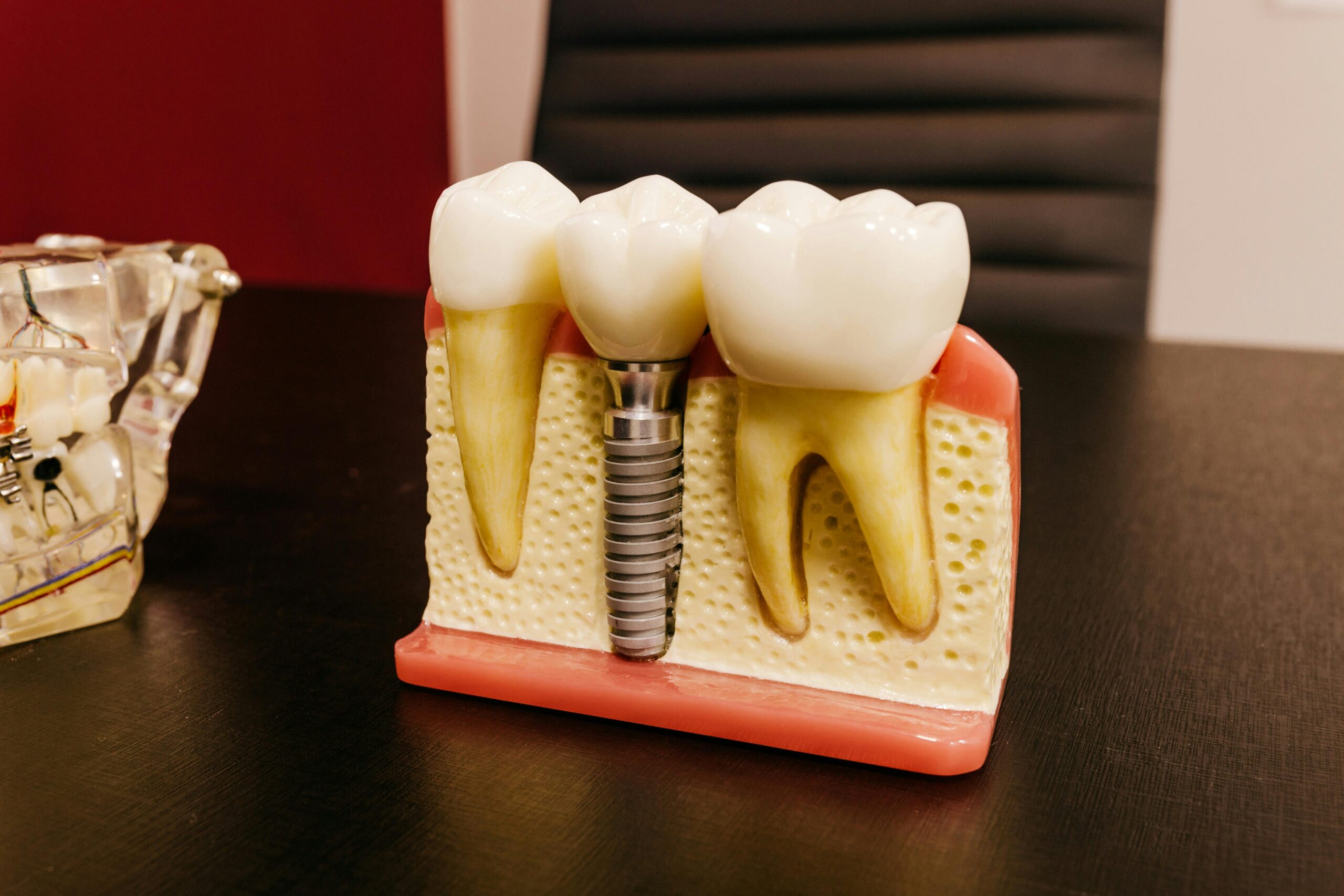
Are Dental Implants Worth It in Houston? Cost, Comfort, and Long-Term Value
Many patients ask if dental implants are worth it, especially when dealing with loose teeth, food restrictions, or denture hassles. If you want a clear answer for your mouth and your budget, start with an implant consultation that includes 3D imaging, itemized pricing, and a realistic timeline. Know If Implants Are the Right Investment for You in Houston Decide confidently with a personalized implant plan and transparent pricing ranges, based on your goals and your scan. Expect a plan that fits Houston life: workdays, commuting, dining out, and wanting teeth that feel stable in real conversations. To better understand your options, see this dental implants overview explaining how implants work and why many patients choose them.” What “Worth It” Means for Most Patients “Worth it” usually means better chewing function, clearer speech improvement, and fewer food restrictions without worrying about movement. It also means a long-term investment in health: durability, jawbone health support, and fewer replacements than many dentures or a dental bridge over time. Service Area Coverage in Houston Common nearby areas we serve include The Heights, Midtown, Montrose, River Oaks, West University, Memorial, Bellaire, Sugar Land, Katy, and Cypress. Ask for early morning and select extended appointment windows that fit Houston work schedules. Problems Implants Solve That Dentures and Bridges Often Don’t When a Bridge or Denture May Still Make Sense Dentures vs Implants: Which One Is Better? Many patients compare dentures vs implants when deciding what is truly “worth it.” Dentures can be a faster and lower upfront cost solution. However, they often require denture adhesive, frequent denture relines, and occasional denture repairs over time. Dental implants, on the other hand, are fixed in place and do not move. This improves bite alignment, comfort, and long-term stability. For patients looking for fewer long-term adjustments and more natural function, implants are often the preferred option. What We Offer: Implant Options Matched to Your Goals You get an evaluation, CBCT scan, and a treatment plan that matches your health, timeline, and budget, with a written pre-treatment estimate—helping you decide if dental implants are worth it. If you want one place to coordinate care, ask about a one-stop approach with specialists under one roof and IV sedation options for comfort. For an overview of options and what to expect at our office, see our page on implant tooth replacement options and planning. Types of Dental Implants Commonly Used in Houston Advanced Implant Options: Faster and More Stable Results Modern implant dentistry includes options like immediate load implants and same-day teeth, allowing some patients to leave with temporary teeth the same day as surgery. For full-arch cases, options like All-on-4 or All-on-6 use fewer implants to support a full set of teeth while maintaining strong stability. These approaches reduce downtime and help patients return to daily life faster. Why Implants Are Often “Worth It”: Benefits You Feel Every Day Implants are chosen for comfort and stability that feels closer to natural teeth than removable appliances. They can also support jawbone health, which helps reduce bone loss that can change facial shape over time. Checkmark Benefits Patients Care About Most If snoring or poor sleep is part of your health picture, ask if airway screening matters for healing and comfort, or review our dental sleep and breathing support options before surgery planning. What Dental Implants Cost in Houston and What Changes the Price Implant cost in Houston often falls into two buckets: a single-tooth implant (implant, abutment, and crown) versus full-arch implants or full-mouth dental implants. Your final number changes with extractions, bone grafting, sedation, and whether you need temporary teeth during healing time. “All-in” pricing should clearly list what’s included: For many patients, the return on investment comes from fewer replacements than dentures or a dental bridge, plus better quality of life day-to-day. Cost Factors to Review in Your Consultation Insurance and Financing Clarity Dental insurance may cover parts of care differently, such as extractions or crowns, while implants may be partially covered or excluded. We can provide an itemized pre-treatment estimate and walk through implant financing options so you can decide without guessing. When Additional Procedures Are Needed Some patients may need preparatory treatments like a sinus lift or bone grafting to create a stable foundation for implants. These steps improve long-term success and reduce the risk of implant failure. Conditions like peri-implantitis (inflammation around implants) can also be prevented with proper planning and maintenance. A Simple, Predictable Implant Process (No Surprises) What the Implant Procedure Looks Like Step by Step The implant procedure step by step typically includes: • Initial consultation with 3D imaging• Implant placement using local anesthesia or sedation• Healing period for osseointegration• Final crown or bridge placement How Long It Typically Takes Some cases allow same-day temporary teeth, while staged cases can take several months based on healing time, which is an important factor when deciding if dental implants are worth it. Healing depends on bone quality, medical history, smoking, and periodontal health. Guided Implant Surgery and Comfort Options We use guided implant surgery when appropriate to improve precision and placement accuracy. For patients with anxiety or complex procedures, sedation dentistry (including IV sedation) helps make the experience more comfortable. Most patients experience minimal downtime and return to normal routines quickly. Why Houston Patients Choose Us for Implant Decisions Patients often want one clear plan, one team, and fewer handoffs, especially for full-arch implants or complex cases. We coordinate with the right specialists when needed, including periodontist, oral surgeon, and prosthodontics partners for predictable outcomes. For gum health support that protects implant longevity, see our care for gum and bone health. Trust Signals You Can Verify If you want to get a feel for our office and how we communicate, visit Henry Smiles Dental’s main site. Common Concerns, Answered Directly Pain and recovery: most patients do well with local anesthesia and a clear post-op care plan, with a few lighter days planned after surgery, which helps many feel dental implants are worth it. Safety and candidacy: we screen medical history, medications, smoking, diabetes, and autoimmune considerations before scheduling surgery. Longevity: implants last longer when oral hygiene is consistent, gum disease is controlled, and bite